Blogs

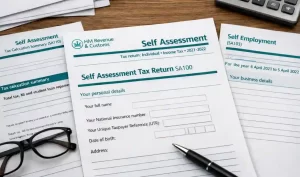
What Information Do You Need to Complete a Tax Return?

Completing a tax return can feel overwhelming, especially if you are unsure what information you need to provide. Whether you are self-employed, a landlord, or an employee, having the right records makes the process faster, more accurate, and stress-free. In this guide, we explain what...

Read more →

A Complete Guide to UK Self-Assessment Tax Return Forms

(SA100, SA101,SA102, SA103, SA104, SA105, SA106, SA107, SA108 & SA109) If you are preparing your UK Self-Assessment tax return, it is essential to understand the various forms required by HMRC. Each form relates to a specific type of income or tax circumstance. Selecting the correct...

Read more →

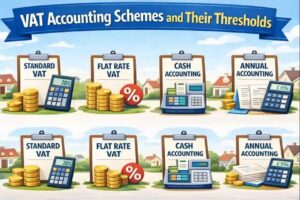
VAT Accounting Schemes and Their Thresholds

VAT accounting schemes are special methods that allow businesses to calculate, report, and pay Value Added Tax(VAT) in simpler or more cash-flow-friendly ways. These schemes are typically designed for small and medium-sized businesses to reduce administrative effort. Each scheme comes with its own rules and...

Read more →

How Does VAT Work for UK Business Owners?

For many new business owners, freelancers, and even experienced traders, VAT (Value Added Tax) can feel like one of the more confusing parts of navigating the UK tax system. Yet VAT is a fundamental part of doing business, and understanding how it works can save...

Read more →

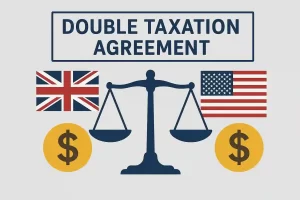
Double Taxation Agreement (DTA)

Double Taxation and UK Tax Rules Sometimes, people or businesses have to pay tax in more than one country on the same income, for example, if they live in one country but earn money in another. The UK has Double Taxation Agreements (DTAs) with many...

Read more →

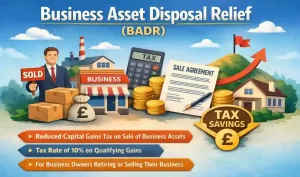
Business Asset Disposal Relief (BADR)

Tax reliefs in UK Business Asset Disposal Relief (BADR) is a tax relief in the UK that allows individuals to pay a reduced capital gains tax (CGT) rate of 10% on gains from qualifying business disposals. It was previously called Entrepreneurs' Relief until the 2019/20...

Read more →